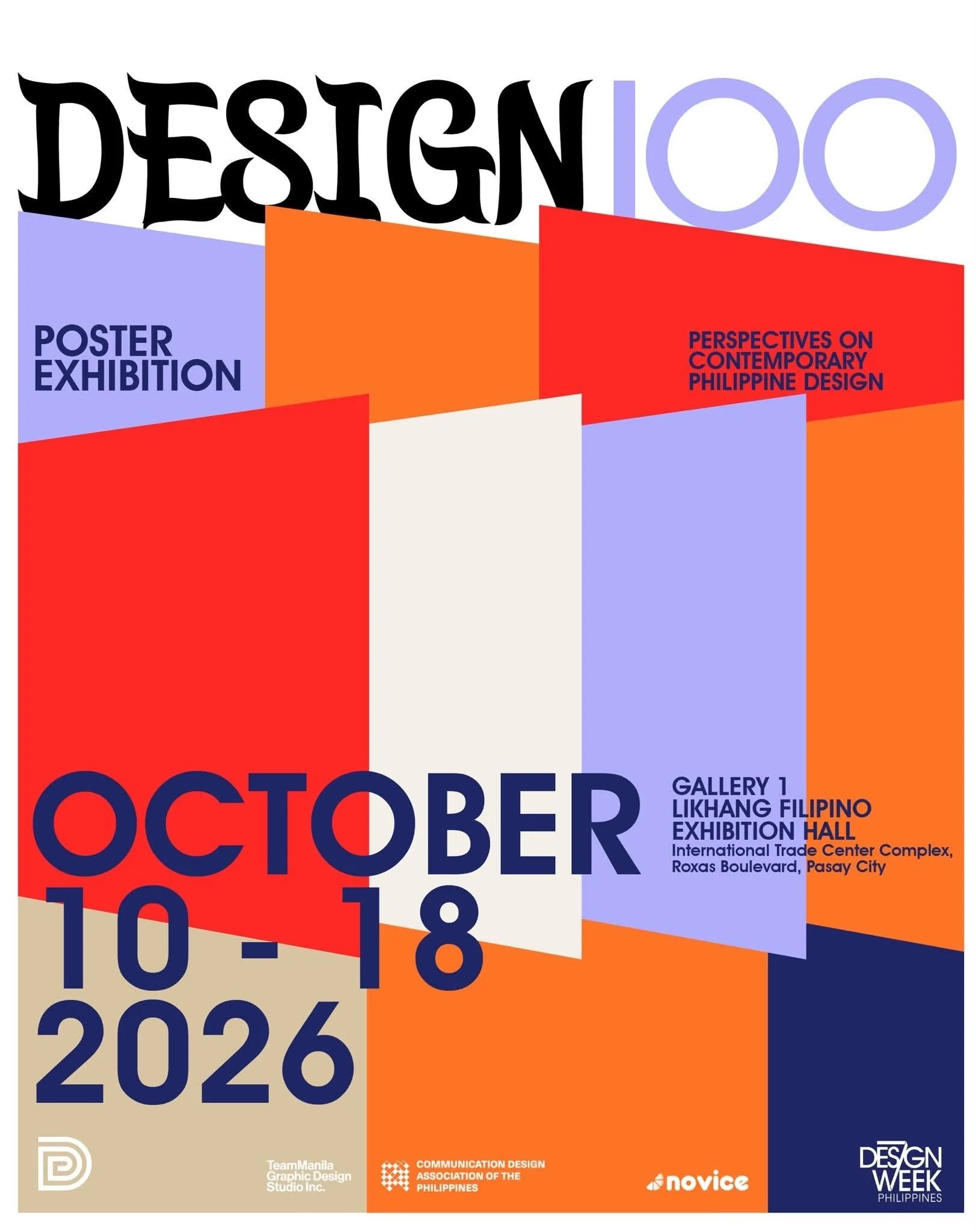
Design100
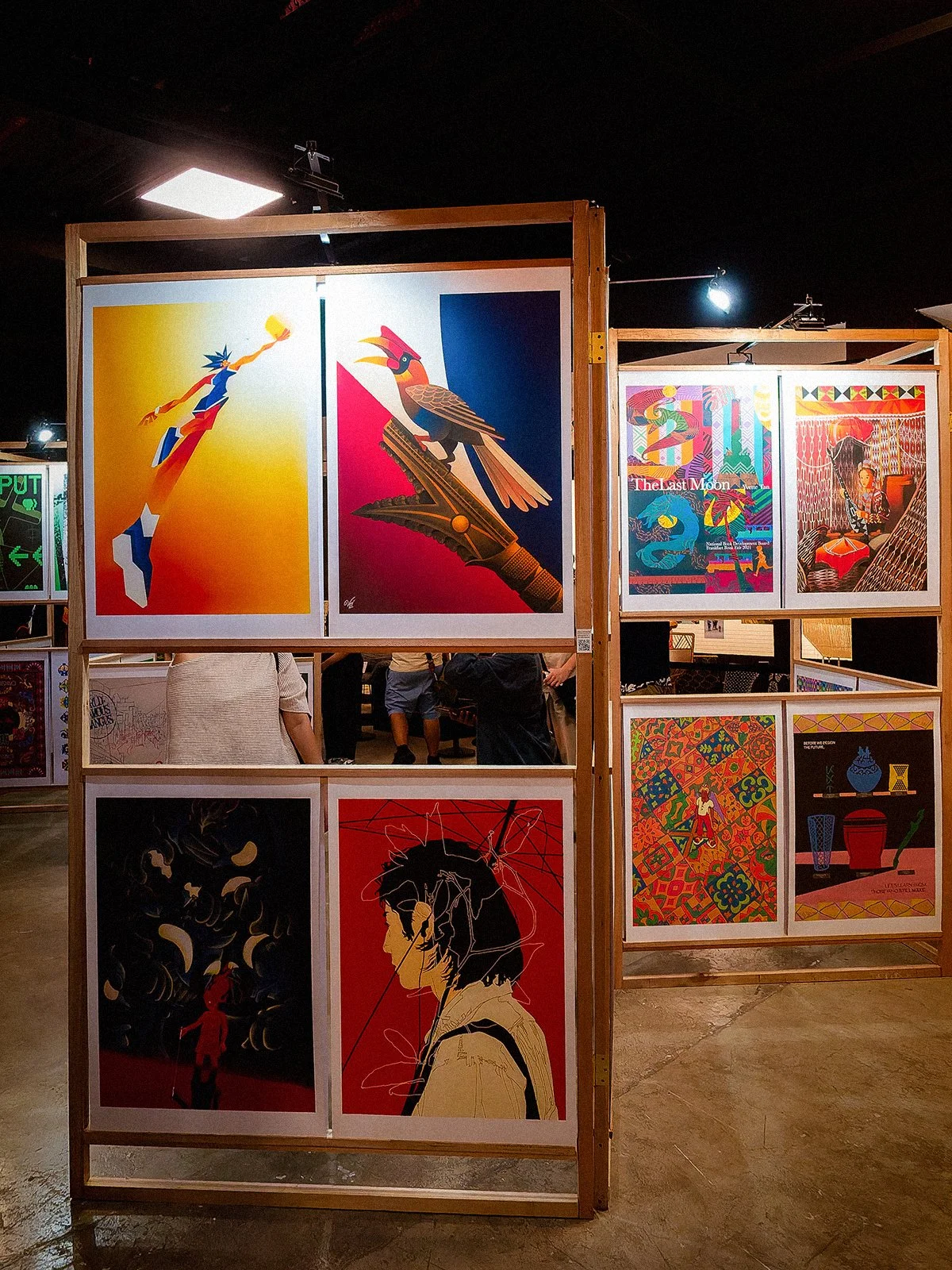
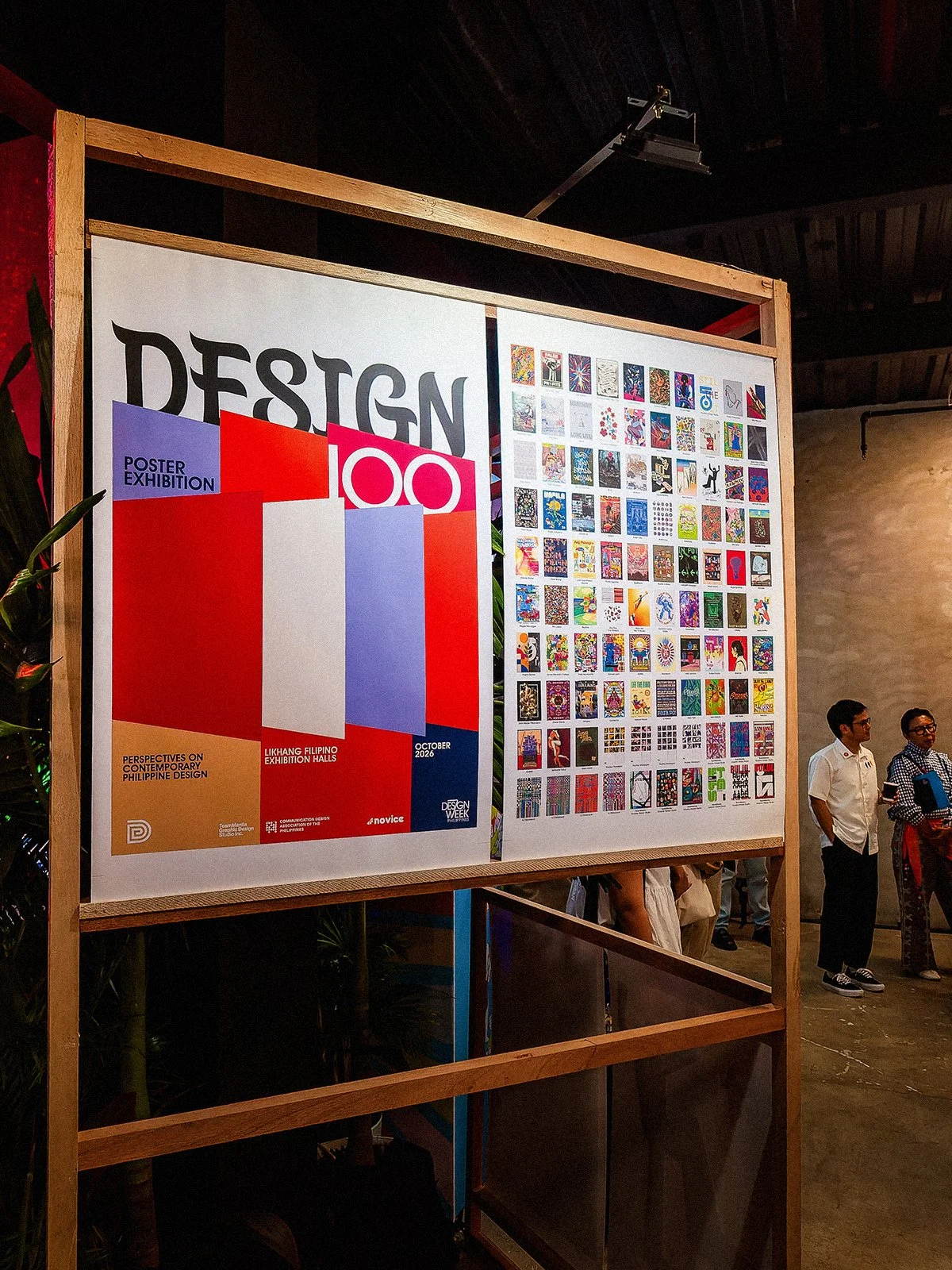
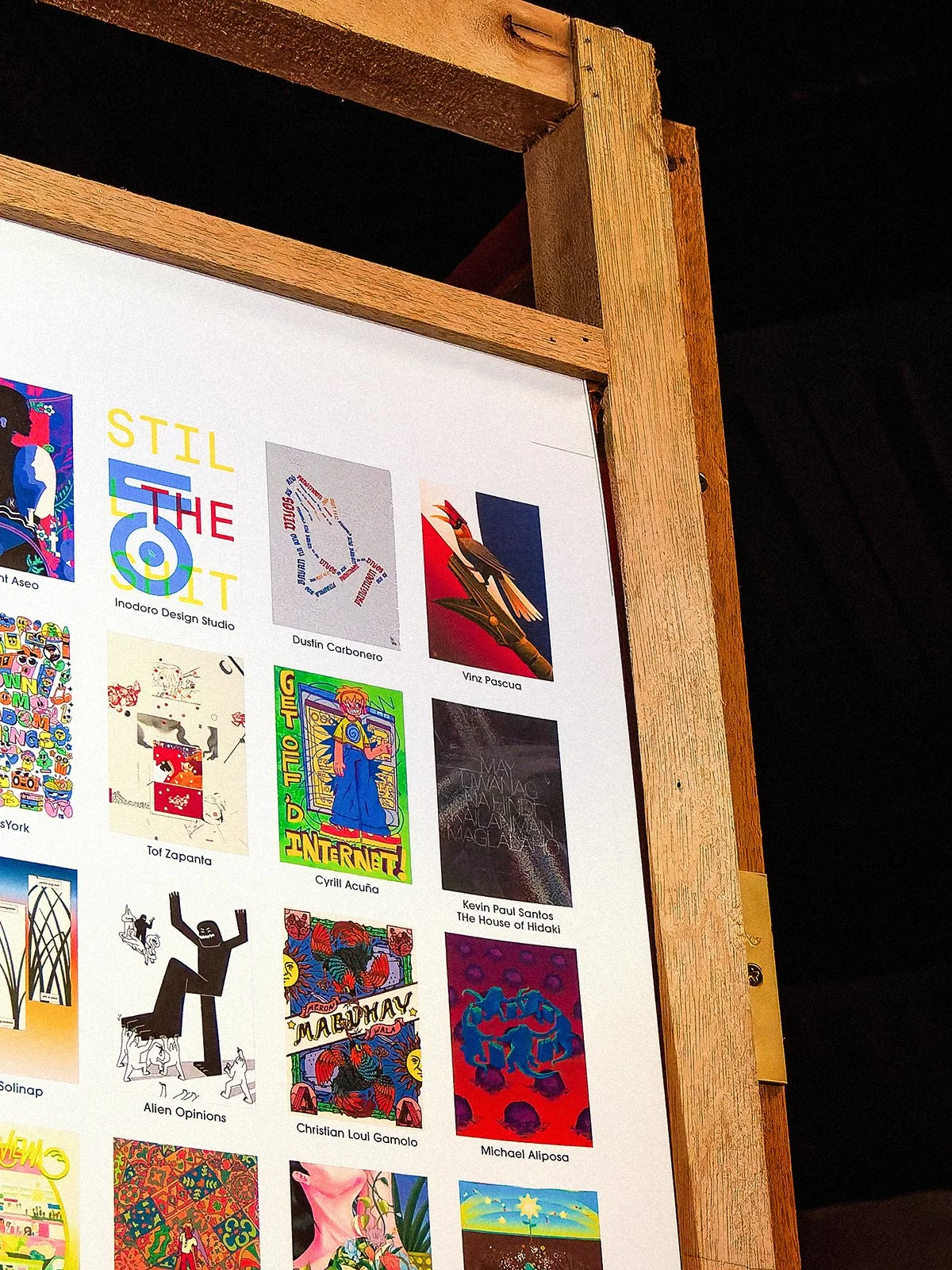
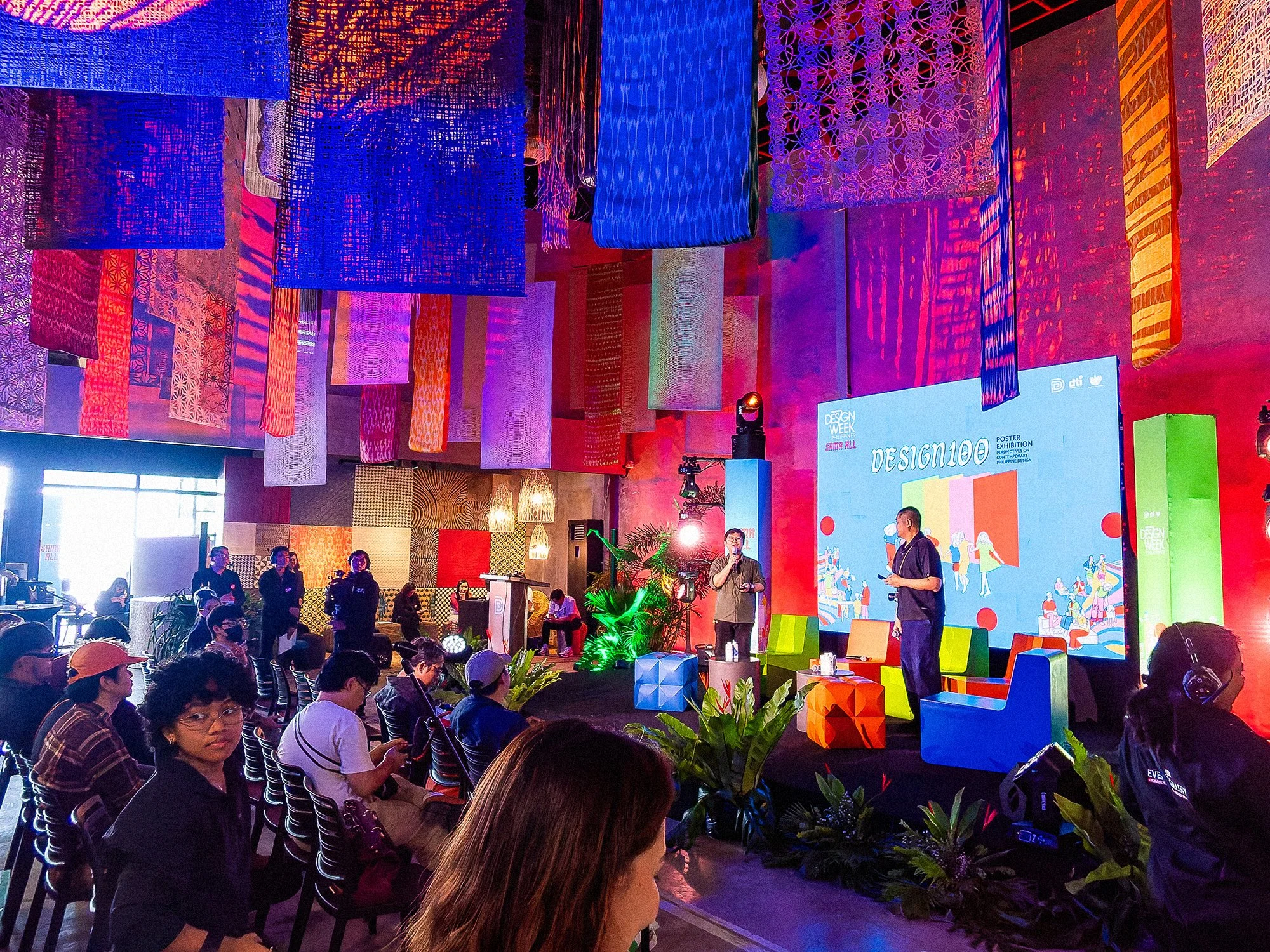
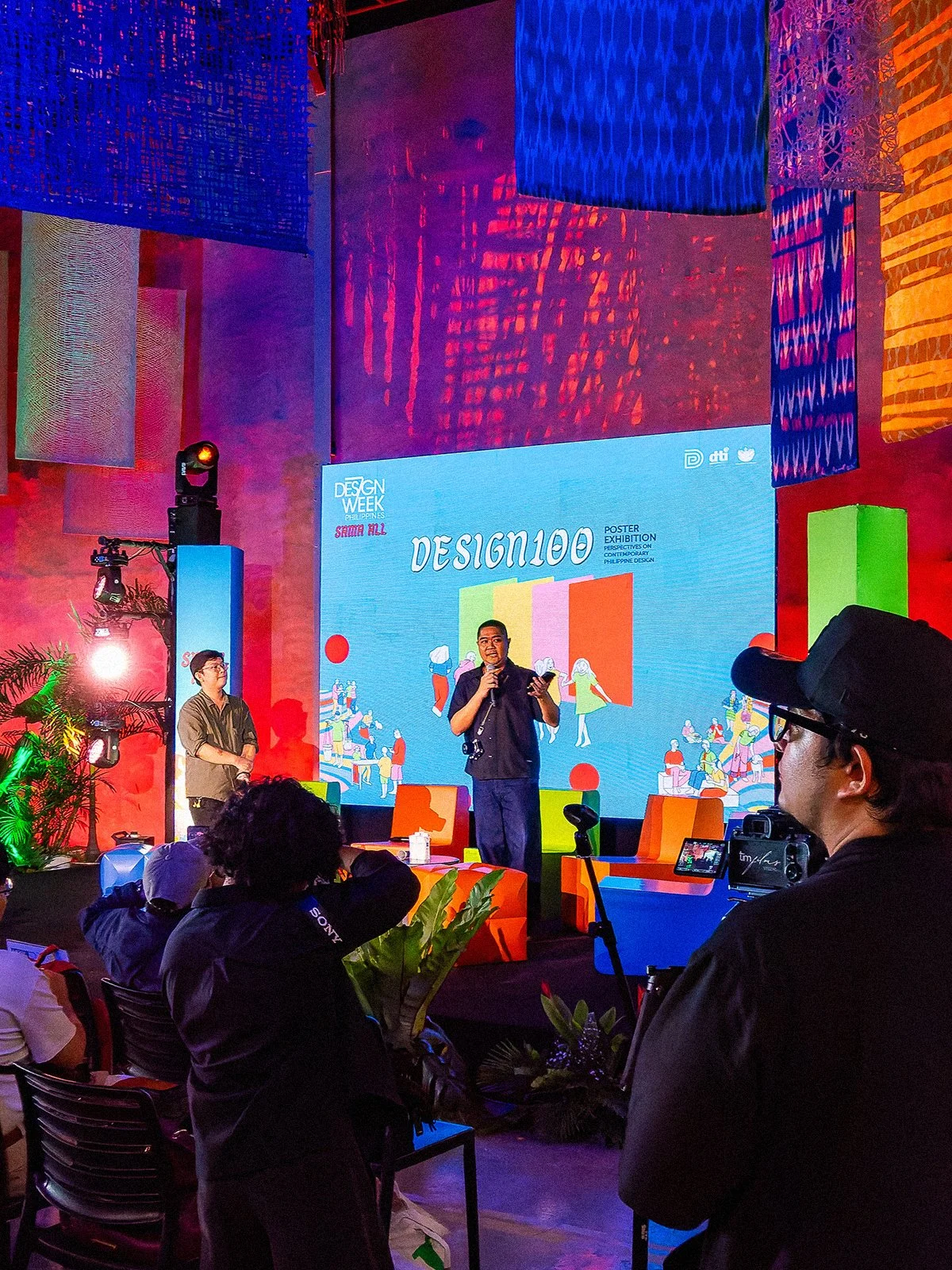
The Design100 Exhibit, presented by TeamManila Graphic Design Studio Inc., in partnership with the Communication Design Association of the Philippines (CDAP) and Novice Magazine, as part of DTI - Design Center of the Philippines' Design Week Philippines 2026 celebration, is a poster exhibit featuring 100 posters from 100 different designers, studios, and visual artists from all over the Philippines.
This exhibit asks: What does contemporary Philippine graphic design look like today? It explores and showcases the state of Philippine design, how it responds to culture, identity, commerce, technology, place, and everyday life, and how these influences continue to shape the way we communicate visually. A single aesthetic has never defined Philippine graphic design. Many histories and influences shape it: local and global, traditional and contemporary, vernacular and modern, handmade and digital.
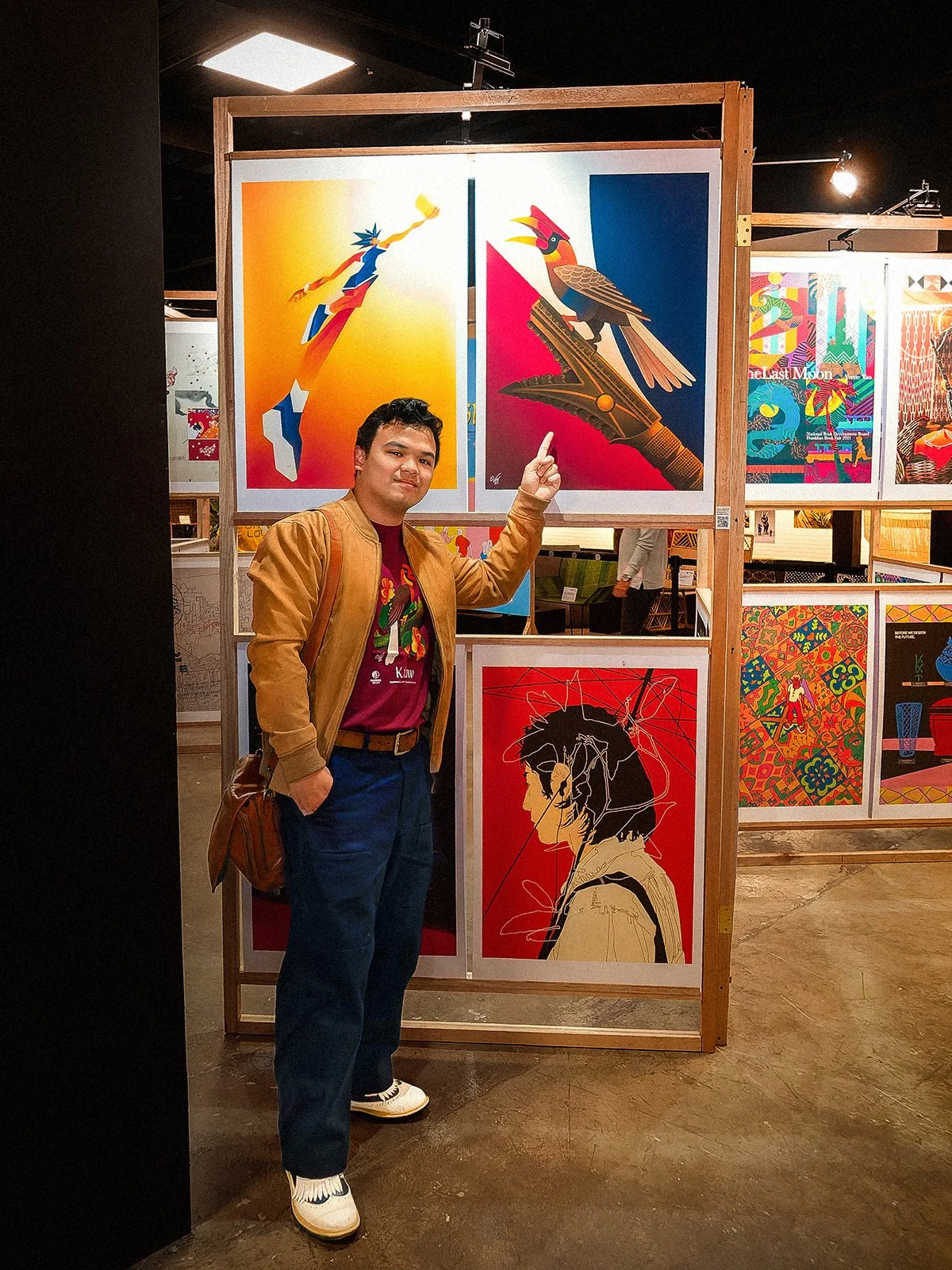
This is my perspective and interpretation of what Philippine Design is today and what it should look like for the future. Thank you to CDAP, TeamManila, and Novice, especially to Team Manila's Jowee Alviar and Novice's Allen Esteban, for organizing and inviting me to be part of this exhibit and for including my take on Philippine design alongside other talented Filipino artists! On a personal note, it feels surreal to see the Kalaw as one of the first pieces you see when walking through the halls of Likhang Filipino.
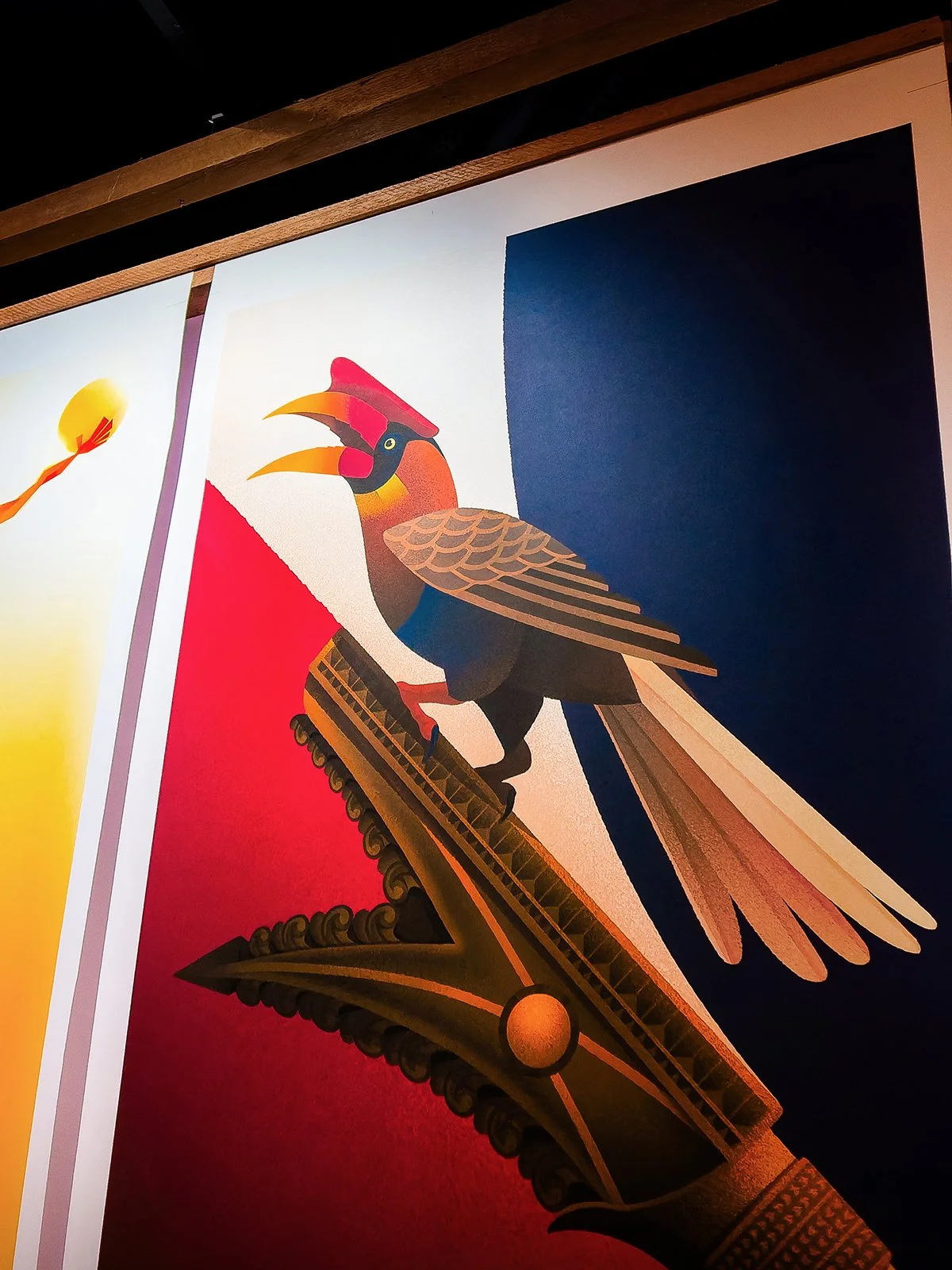
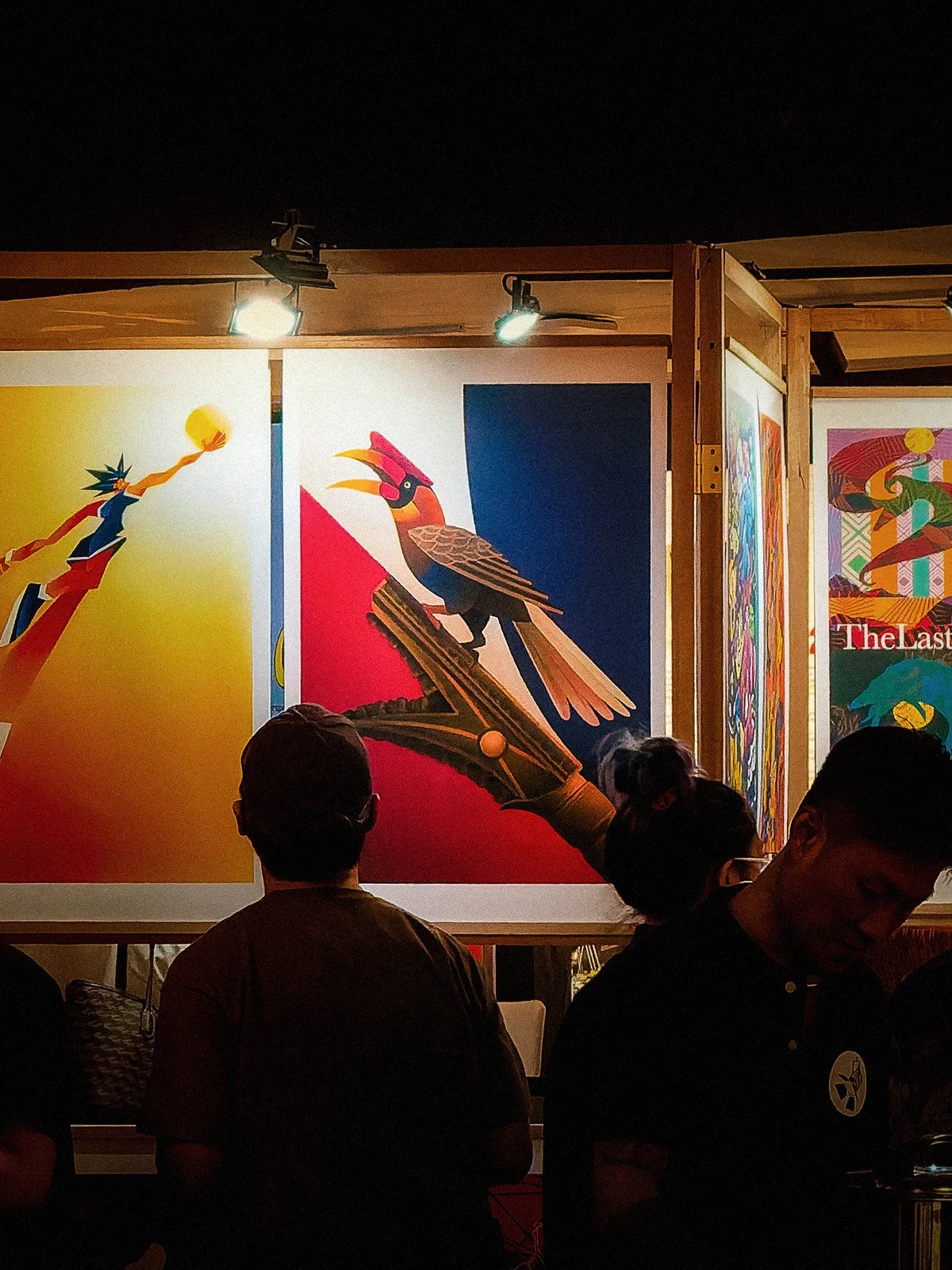
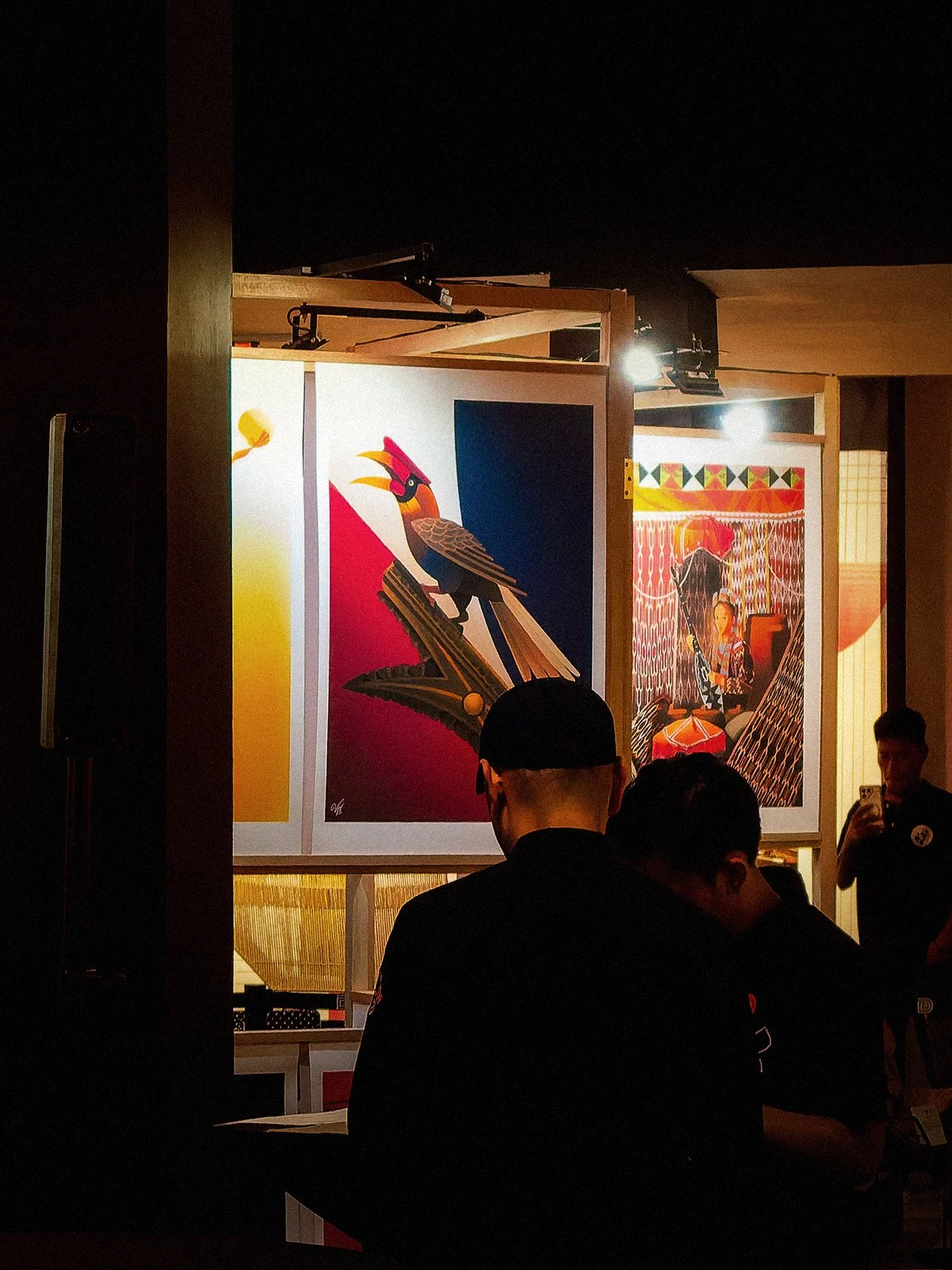
Kalaw Kampilan
As the world rapidly changes around us, we need to slow down and look back at our past to see how we can design not just for today, but for the future, and how else we can be inspired to design better.
I believe Philippine Design must be megadiverse, like its wildlife and its people; expressive, in its forms, colors, and intent; and truthful in representing our past, our cultures, and our natural surroundings.
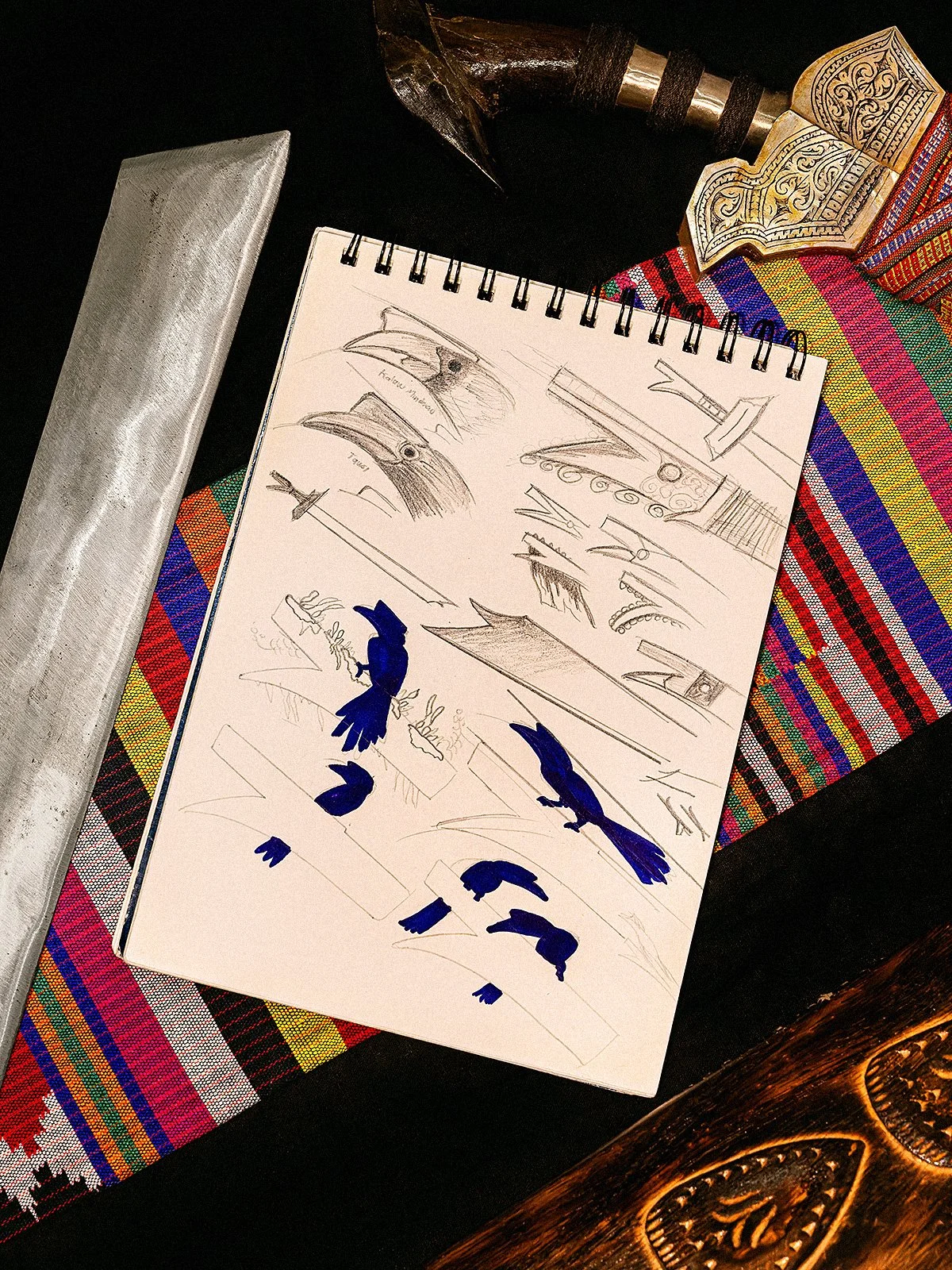
Depicted here is the Kalaw (Buceros hydrocorax), an endemic bird species found across Luzon, Eastern Visayas, and Mindanao. The Kalaw is one of the most important cultural icons in the Philippines, having been a part of our vast cultures since time immemorial. He perches on a Kampilan, a sword found across the archipelago, long regarded as a warrior's weapon and, today, a national ceremonial symbol. Most Kampilan hilts are carved to resemble animals, and one of the most common forms, particularly from Mindanao and Sulu, is based on the Kalaw. Although its use has been limited, the Kampilan's design and form still live on, and it still resembles the majestic Kalaw today.
This piece was done to remind us that unique, distinctly Philippine designs have always existed across the archipelago. We just have to know where to look. Let's start to learn from our past, our cultures, and our natural surroundings to get inspired and move forward in creating Philippine Design.